
GEN I–IX
Pokédex
Browse all 1,025 base National Pokédex species. Search a name or number, then refine the list by generation, type, color and more.
Filters1▾
65 Pokémon
Page 1 of 2
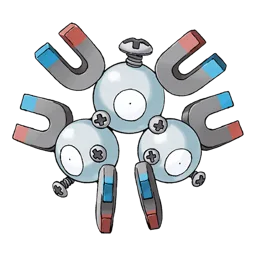

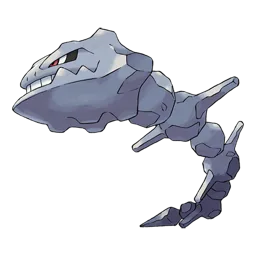

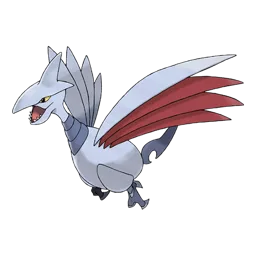


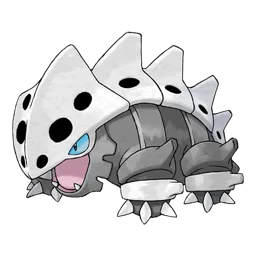
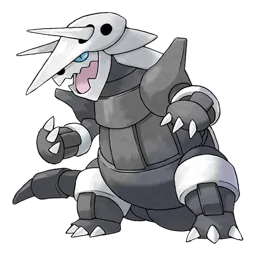

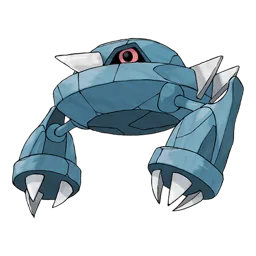





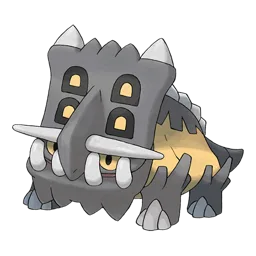





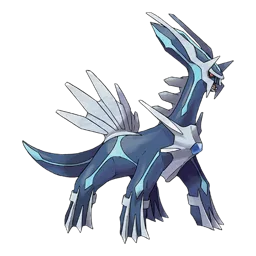
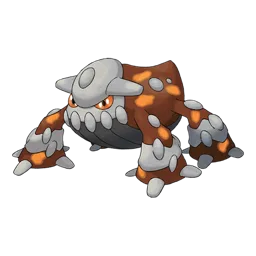


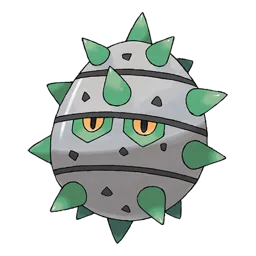

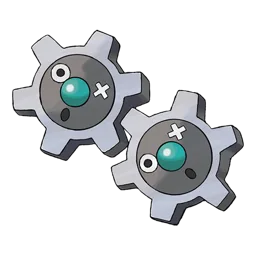

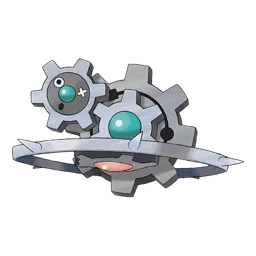


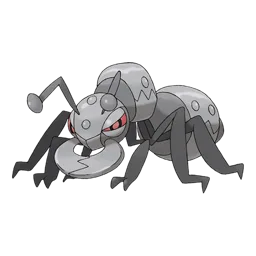

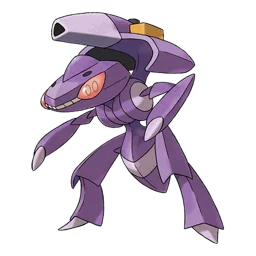

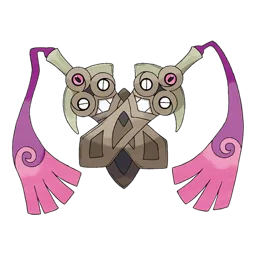





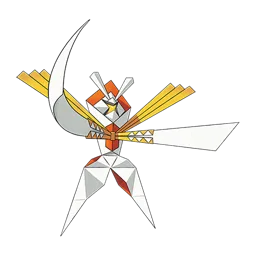



INDEX / NATIONAL POKÉDEX GUIDE
More than a list of names
Use this directory as a fast field guide to the 1,025 base species in our National Pokédex snapshot. Search by name or number, combine visual filters, then open any species for its abilities, six base stats, evolution conditions and related Pokémon.
The directory deliberately uses one base record per National Pokédex number, from #0001 Bulbasaur through #1025 Pecharunt. Regional forms, Mega Evolutions, Gigantamax forms and other battle forms are not counted as separate species, so totals and comparisons stay consistent.
- Base species
- 1,025
- Generations
- 9
- Regular types
- 18
- Legendary / Mythical
- 71 / 23
Browse Pokémon by generation
A generation records when a species first entered the main series, not every game in which it later appeared. Use these nine ranges to jump directly to a debut era.
GEN IKanto#0001–#0151Browse 151 species →GEN IIJohto#0152–#0251Browse 100 species →GEN IIIHoenn#0252–#0386Browse 135 species →GEN IVSinnoh#0387–#0493Browse 107 species →GEN VUnova#0494–#0649Browse 156 species →GEN VIKalos#0650–#0721Browse 72 species →GEN VIIAlola#0722–#0809Browse 88 species →GEN VIIIGalar · Hisui#0810–#0905Browse 96 species →GEN IXPaldea#0906–#1025Browse 120 species →
Browse Pokémon by type
Type is one of the quickest ways to narrow a large Pokédex. Dual-type Pokémon appear in both relevant totals; every number below counts base species in this snapshot, not alternate forms.
NormalBrowse 131 Pokémon→FireBrowse 81 Pokémon→WaterBrowse 154 Pokémon→GrassBrowse 127 Pokémon→ElectricBrowse 69 Pokémon→IceBrowse 48 Pokémon→FightingBrowse 73 Pokémon→PoisonBrowse 83 Pokémon→GroundBrowse 75 Pokémon→FlyingBrowse 109 Pokémon→PsychicBrowse 102 Pokémon→BugBrowse 92 Pokémon→RockBrowse 74 Pokémon→GhostBrowse 65 Pokémon→DragonBrowse 70 Pokémon→DarkBrowse 69 Pokémon→SteelBrowse 65 Pokémon→FairyBrowse 64 Pokémon→
How to search this Pokédex
The controls are designed for both quick lookups and precise discovery. Active filters combine with one another, while leaving a field on Any removes that condition.
- 01
Start with an identity
Enter a localized Pokémon name, its English name or a National Pokédex number. Suggestions keep the lookup fast without hiding the full directory.
- 02
Add the traits you know
Filter by debut generation, type, official Pokédex color, evolution stage or Legendary and Mythical status. Combine several traits to answer a specific question.
- 03
Open the species record
Each card leads to a dedicated page with physical measurements, abilities, base-stat radar, evolution requirements, breeding traits, comparisons and related species.
What the Pokédex data means
These terms describe the species itself. They are not a rating of an individual Pokémon at a particular level and do not include its Nature, IVs, EVs, held item or moveset.
- 01National number
- The stable species identifier used by the National Pokédex. It also determines the default order of this directory.
- 02Type
- A species can have one or two regular types. Type affects battle matchups, but this directory uses it first as a discovery and comparison trait.
- 03Base stat total
- BST is the sum of HP, Attack, Defense, Special Attack, Special Defense and Speed. It compares species baselines, not a trained Pokémon's final stats.
- 04Evolution stage
- Stage 1 is the first member of a line, stage 2 follows one evolution and stage 3 follows two. Standalone species remain at stage 1.
- 05Pokédex color
- The species color category supplied by the Pokédex data, not a sampled average from the artwork. Some classifications may be less obvious than the sprite suggests.
- 06Special kind
- Legendary and Mythical are species classifications, not synonyms for strength. They are kept separate from type, generation and evolution stage.
Put the Pokédex knowledge to work
The directory is also the reference layer for the site's Pokémon games. Use the same traits in three different kinds of daily deduction.
GROUPING PUZZLE
Pokémon Connections
Find the hidden relationship that links four Pokémon, then solve all four groups without exhausting your mistakes.
Play Connections →TRAIT COMPARISONPokédle
Identify the daily mystery species from type, generation, color, evolution, height, weight and habitat feedback.
Play Pokédle →VISUAL IDENTIFICATIONSilhouette
Recognize a Pokémon from its outline and use the revealed species record to learn what made the shape distinctive.
Play Silhouette →National Pokédex questions
Clear answers about this directory's numbering, scope, filters and source data.
Q01
What is the National Pokédex order?
It is the cross-game numbering system that assigns a stable number to each Pokémon species. This directory follows that number from #0001 through #1025 by default.
Q02
Does this directory include regional forms, Mega Evolutions or Gigantamax forms?
No. It contains 1,025 base species records—one for each National Pokédex number in the snapshot. Alternate forms are not counted as additional species.
Q03
How do multiple Pokédex filters work together?
Different filters use AND logic. Choosing Generation I and Grass shows species that match both conditions. A Pokémon with either of its two types matching the chosen type is included.
Q04
What does BST mean on a Pokémon card?
BST means base stat total: HP + Attack + Defense + Special Attack + Special Defense + Speed. It is a species-level baseline, not the final stat total of an individual Pokémon.
Q05
Which generation does a Pokémon belong to?
A species belongs to the generation in which its base species first debuted. Later appearances in other games do not change that generation.
Q06
Where does the Pokédex data come from?
Core species facts are compiled from a PokeAPI v2 snapshot dated August 16, 2026. The site serves a validated local snapshot, so browsing the Pokédex does not depend on a live third-party API request.